


 If you like short stories with life-lessons that warm your heart and sometimes bring a tear to your eye, you'll love this collection in Chicken Soup for the Soul: Thanks Dad: 101 Stories of Gratitude, Love, and Good Times. In true Chicken Soup for the Soul fashion, this book is one that you don't want to put down.
 I have several Chicken Soup books...and I think I have had several of them for 15-20 years! I'm always amazed at how the authors can bring together a group of stories that tug at my heart and teach so much. In Thanks Dad, the stories are about fathers who show love and grace when it matters most. I think many fathers and their children could relate to a lot of the stories, and hopefully enjoy their own memories of their dad as they read!
This would be a great gift for dads for Father's Day! One reader can win a copy of Thanks Dad! USA and Canadian addresses only, please.
To Enter:
Leave a comment telling a quality that makes a great dad. Be sure I have a way to contact you through an email address or profile.
Additional Entries: Please leave one comment for each entry.
Follow my blogs with Google Friends Connect.- 1 entry each
Tell me another Chicken Soup book you have read.-1 entry
Giveaway ends Sunday, June 6 at 6 pm.
This book was provided by the publisher for review purposes.

 , a book about funny sounds our words make in our mouths, and Eric Carle's
  , where you can match the word to the picture in this great book.
 - lots of information about human body, but very appropriate for preschool aged children
 -the song is accompanied by lots of pictures with a wide variety of animals Richard Scarry's
  - Another Busytown book that M can't get enough of
 -the traditional story with Richard Scary pictures. M loves to be the Gingerbread Girl!


 by Linda Nichols is a well-written, throughly enjoyable book.
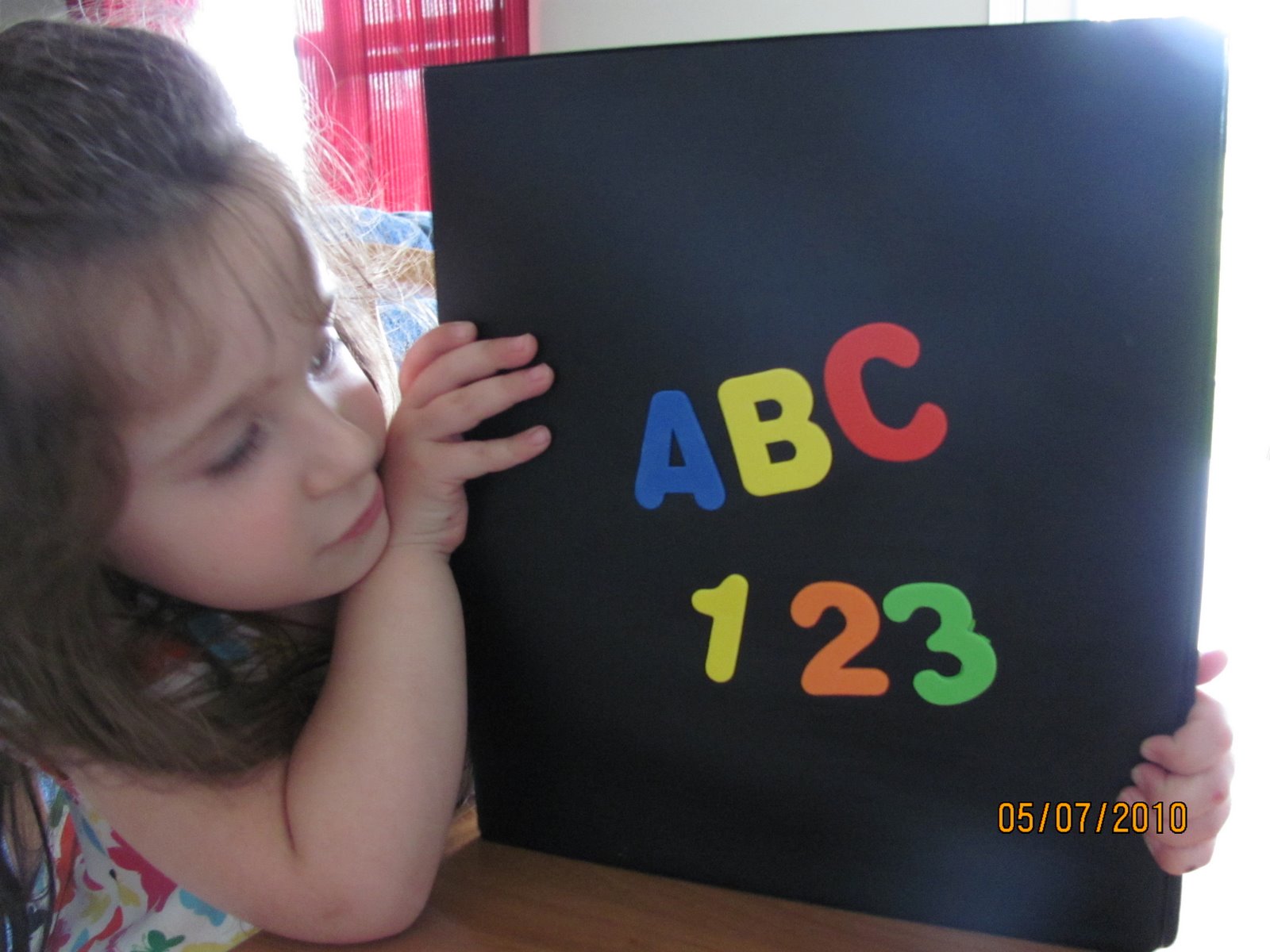
 is a great choice for letter tracing for us. We put each page into a page protector and then made our own book. M loved putting the foam stickers on it for a title, and it helps her to know how to ask for it by name. (See her pride?) (I love that I am trying to purposely NOT be stingy with our foam stickers! So unlike me! Let me know how you use foam letters, too!)

 (or any Noah book), visit

 is included in the four items. (E also loves his Scout, and we definitely recommend these for a one year old!)
 .
.




 ; it's sure to be helpful with three kids at home (including twins).

 , by Don Hoesel, made me want to read it! From Bethany House Publishers:


